
Mineral sites: their efficiency during the summer does not guarantee efficiency in the fall.
Moose and deer are attracted to minerals, mainly sodium, which is found in high concentrations in salt. It is now scientifically recognized that sodium intake significantly contributes to the balance and physiological development of cervids. Early in the summer, females are lactating and their metabolism needs a substantial mineral intake. Males also have mineral needs, which are related to the development of their antlers.
I spent my childhood in a wooded area and there was always crystal salt on a cherry tree stump in front of the house. Over the years, the stump had to be constantly renewed because cervids would be using it extensively. Using salt to attract cervids is a must, but certain basic rules should be respected for the mineral site to be effective, especially during hunting season.
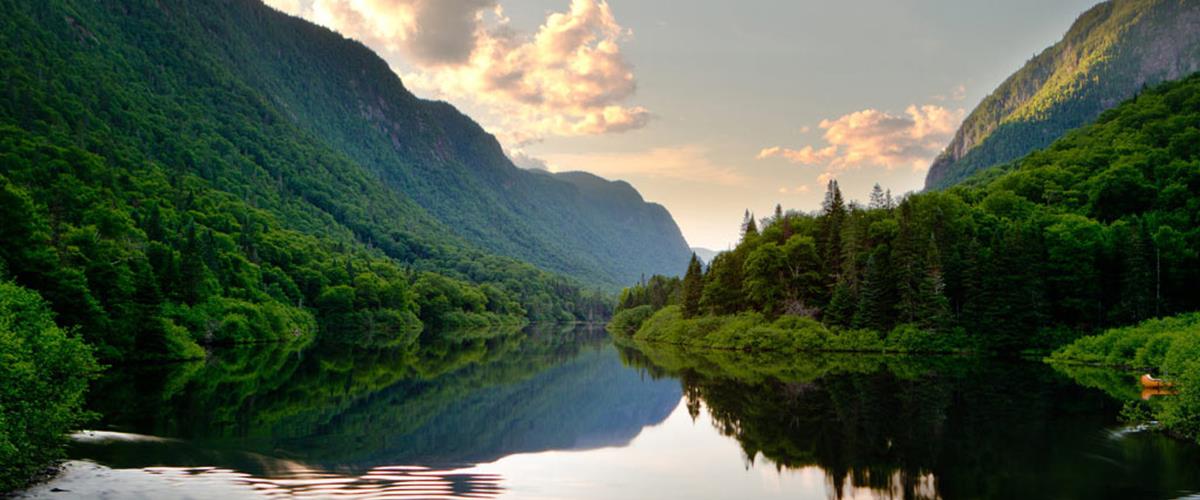
The most decisive factor in the success of a mineral site is the location. Hunters often make the mistake of installing a mineral site (salt block or salt on a stump) in a habitat that only attracts moose in the summer. Under these circumstances, hunters will be delighted by the omnipresence of cervids in their mineral site from mid-June to mid-August. However, they will notice that cervid activity around the mineral site will start decreasing around the end of August, and even more so in the following weeks. For example, most moose visit lakeshores in the summer because of the aquatic plants they consume. This type of environment is also preferred as a strategy to escape predators and mosquitoes, while preserving a certain coolness. They often abandon this environment around the end of August, in part because of insufficient plants for food and also because their needs are changing.
If a mineral site was set up based in a very seasonal habitat type, one should not be surprised to observe changes in the efficiency of the mineral site. It is therefore preferable to choose a habitat that better meets the needs of moose in the fall, such as the edges of a forest harvesting site, a narrow band of grassland showing signs of soiling and rubbing, or simply the forest-covered sector of a mountain, where moose graze in September and October. As a guide, I have conducted several tests by installing hundreds of mineral sites in the past few years, covering various parts of the province and even New Brunswick. In my opinion, hunters should systematically look for moose (or deer) presence indicators in the fall (grazing, rubbing, scratching, soiling, etc.) before permanently setting up their mineral site. For example, one of the most popular natural mineral sites in Eastern Canada is the mud flat of Étang à la truite in the Matane Wildlife Sanctuary. This mud flat attracts a record number of moose in the summer. However, moose are a rare sight in September and October. If someone were to place a trail camera, they would have several hundred sightings per week in July and August. But its memory card would, however, be rather empty during the moose rutting season.
Local guides have understood this dynamic and that is why they set up mineral sites for the fall close to the strategic feeding areas (forest harvesting areas) that can be found in the sector. The hunter must keep in mind that moose choose specific habitats depending on the season and that a mineral site MUST respect this basic principle.
When installing a mineral site, you should never choose the site based on the aesthetics of the place ("nice spots"). You should rather strategically select your site based on methodical and quantitative criteria, such as the presence of clues indicating where moose really are during the short authorized hunting season.
 About Michel Therrien
Conférencier, guide de chasse et auteur expert de la faune et de la chasse
About Michel Therrien
Conférencier, guide de chasse et auteur expert de la faune et de la chasse
Conférencier, guide de chasse et auteur d’un livre à succès, Michel Therrien est reconnu tant au Québec qu’à l’extérieur de la province pour son expertise et pour ses réalisations en lien avec la faune et la chasse.
Articles from Michel TherrienSign up for the Latulippe newsletter and stay up to date with our new arrivals and promotions.
The opinions expressed in the articles are the sole responsibility of the authors of the texts and do not necessarily represent those of Magasin Latulippe.
 Magasin Latulippe
How to Cook Moose Tenderloin: Easy & Tender Recipe
Published on September 8, 2026
Magasin Latulippe
How to Cook Moose Tenderloin: Easy & Tender Recipe
Published on September 8, 2026
 Geneviève O'Gleman
Campfire Brownies: The Perfect Alternative to S’mores
Published on August 24, 2026
Geneviève O'Gleman
Campfire Brownies: The Perfect Alternative to S’mores
Published on August 24, 2026
 Magasin Latulippe
How to Choose the Right Moose Hunting Rifle?
Published on August 12, 2026
Magasin Latulippe
How to Choose the Right Moose Hunting Rifle?
Published on August 12, 2026
Sign up for the Latulippe newsletter and stay up to date with our new arrivals and promotions.